

By Liam Anderson — From Wayzata and across the U.S., people are expressing mounting anxiety as economic pressures—rising prices, uncertain policy, and emerging technologies—loom over the national horizon. These dynamics are shaping political debates and influencing how voters see the road ahead.
What’s Driving Economic Frustration
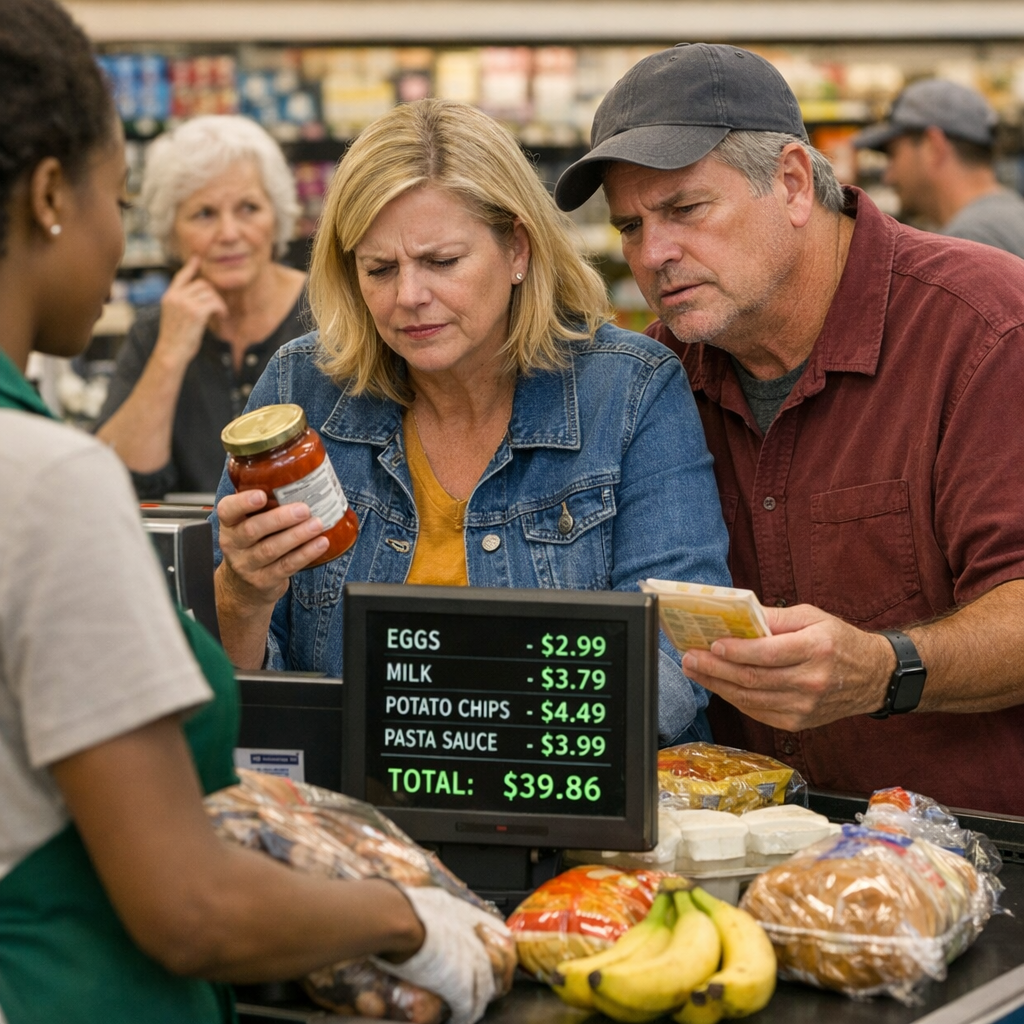
Surveys show a clear pattern: Americans are feeling squeezed by daily costs. Concerns over health care, housing, food, and fuel are high. Many report that their household budgets are stretched thin—and fewer believe the economy is getting better anytime soon. For large numbers, financial optics matter more than growth rates or stock market gains.
Policy Tensions: AI, Tariffs, Inflation
One of the big emerging debates is how artificial intelligence fits into this economic picture. On one side, AI investments promise productivity gains and new jobs. On the other, rapid deployment of AI infrastructure is stressing U.S. power grids and raising questions about regulation and who pays the costs. Interest rates—already lifted in recent cycles—add another layer of uncertainty. Inflation of essentials like energy, food, and housing continues to impact daily life.
Political Implications & What to Watch
With midterm elections on the horizon, economic issues are front-and-center in campaigns. Across party lines, voters increasingly say the economy—and a leader’s ability to manage it—is a key factor in how they’ll vote. Leadership style, tariffs and trade policy, and how the country deals with the cost of living are all under scrutiny.
While the U.S. economy still shows strength in certain areas—job numbers remain relatively solid and productivity gains continue—the risks are mounting. Fiscal deficits, geopolitical tensions like energy disruptions, and domestic policy uncertainty could combine to make things tougher if not addressed carefully.
What Locally Matters
In Wayzata, these national currents are more than headlines. Changes in gas prices, insurance costs, health care policies, and even the availability of skilled workers all ripple here—affecting households, small businesses, and local governments. Whatever happens in D.C. shows up in the grocery cart or water bill.
We’ll continue to keep an eye on how these economic indicators evolve, especially as national leaders make key fiscal decisions and debates over AI, tariffs and inflation play out over the next few months.